
How Does Retinol Serum Work on the Skin?
Retinol is one of the most talked-about ingredients in Skin care . You may have seen it in creams,serums and other products that promise smoother ,brighter and younger-looking skin. But how does it actually work?
Retinol Serum is a form of vitamin A that can support the skin in several ways . It helps encourage skin cell turnover , supports collagen production and can improve the look of uneven skin tone , fine lines and rough texture over time .
However, retinol is not a magical ingredients that changes the skin overnight. It needs time , regular use , and the right skin care routine.
In this guide, we will explain how retinol works , what it can do for your skin, how to use it safely, and what you should know before adding it to your routine.
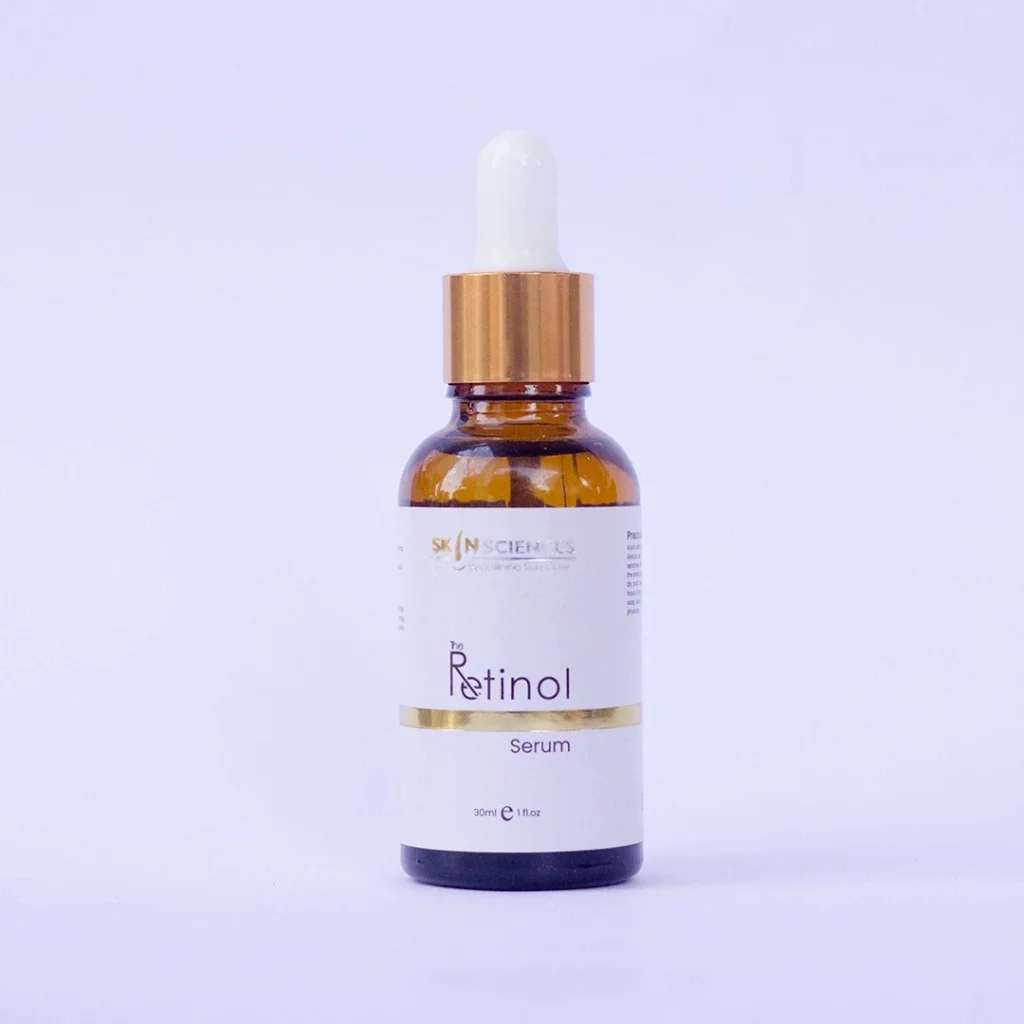
What Is Retinol?
Retinol is a type of retinoid , which means it belongs to a family of Vitamin A ingredients used in skincare .
When you apply retinol to your skin . It goes through a conversion process before becoming the active form that skin cells can use . This process is one reason why cosmetic retinol is generally milder than some prescription retinoids.
Retinol is commonly used to improve the appearance of:
- Fine Lines and Wrinkles
- Uneven Skin tone
- Dark Spots
- Rough Skin texture
- Dull-looking skin
The American Academy of Dermatology notes that retinol is a type of retinoid commonly used for concerns such as uneven skin tone, pigmentation and skin texture.
How Does Retinol Serum Work on the Skin?
The easiest way to understand retinol is to think about your skin as a surface that is constantly renewing itself.
Your skin naturally creates new cells and removes older ones . As we get older, this process can slow down . Retinol helps support faster skin cell turnover .
It also affects process deeper in the skin that are linked with collagen .
1. It Supports Skin Cell Turnover
One of the main actions of retinol is helping the skin renew itself more efficiently.
Think of it like cleaning an old layer from the surface and making room for fresher skin cells.
This can help the skin look smoother and more even over time.
Faster cell turnover can also help improve the appearance of dullness and uneven texture.
2. It Supports Collagen Production
Collagen is an important protein that helps give skin its firmness and structure .
As we age , natural collagen production decreases . This can contribute to fine lines and a gradual loss of firmness .
Retinoids, including retinol , can support collagen-related process in the skin. This is one reason retinoids are widely used in anti-aging skincare.
The result is not an instant facelift. Instead , regular use may help improve the appearance of fine lines and skin firmness gradually.
3. It Can Help Improve Skin Texture
Does your skin feel rough or uneven?
Retinol may help improve the look and feel of uneven texture by supporting normal skin renewal .
With consistent use , some people may notice that their skin looks smoother and feels softer.
This is one reason retinol is often include in routines designed for more even-looking skin.
4. It Can Help With Uneven Skin Tone
Sun exposure , old acne marks and natural skin changes can lead to uneven pigmentation.
Retinol can support skin renewal and may help improve the appearance of uneven skin tone over time .
However, it is important to remember that dark spots can have many causes . Retinol may help with some types of pigmentation , but is not the right treatment for every skin condition .
Daily sun protection is also important because UV exposure can make pigmentation and signs of skin aging worse.
What Can Retinol Serum Do for Your Skin?
With regular and careful use , retinol may provide several skincare benefits .
May Reduce the Appearance of Fine Lines
Retinol can support collagen and skin renewal . Over time , this may make fine lines look less noticeable .
May Improve Skin Texture
Regular use can help the skin appear smoother and more refined.
May Brighten Dull-Looking Skin
By supporting skin renewal , retinol may help your complexion look fresher and more even.
May Help With Mild Acne
Retinoids can help keep pores from becoming clogged. This can be useful for people dealing with blackheads, whiteheads and some types of acne.
However, strong acne treatments may be needed for moderate or severe acne. In such cases, speaking with a dermatologist is a better option .
May Improve the Appearance of Dark Spots
Retinol can support skin renewal and may help improve uneven pigmentation over time.
Results can vary depending on the cause of the dark spots , your skin type and how consistently you use the products.
When Should You Start Using Retinol?
There is no single age when everyone needs to starts using retinol.
Some people use it because they are concerned about acne . Others are more interested in fine lines , uneven texture or pigmentation .
Instead of choosing retinol simply because of your age , think about your skin concerns and whether your skin can tolerate the ingredients .
If you have very sensitive , irritated or inflamed skin . It may be better to speak with a dermatologist before starting.
How Should Beginners Use Retinol Serum?
If you have never used retinol before , starting slowly is important .
Using too much too quickly can cause dryness , redness , peeling or irritation.
A simple beginner approach is :
- Clean your face with a gentle cleanser.
- Let your skin dry.
- Apply a small amount of retinol.
- Follow with a moisturizer.
- Use sunscreen during the day.
Start with a few nights per week rather than using it every night immediately .
If your skin handles it well , you can slowly increase how often you use it.
Dermatologist also recommend introducing retinoids gradually because using them too frequently at the beginning can cause unnecessary irritation.
Should You Use Retinol at Night?
Retinol is commonly used as part of a nighttime skincare routine.
A simple routine can look like this :
Night:
Cleanser – Retinol Serum – Moisturizer
Morning:
Cleanser – Moisturizer – Sunscreen
Using sunscreen during the day is especially important when retinoids are part of your skincare routine because they can increase sensitivity to sunlight.
How Much Retinol Serum Should You Apply?
More product does not mean faster results.
Applying a large amount can increase the chance of dryness and irritation without giving you better results .
A small amount is generally enough to cover the face .
Always follow the instruction provide with your particular product . Different formulations can have different strengths and directions.
Why Does Retinol Sometimes Cause Dryness?
Retinol can be irritating when your skin is not used to it.
Some people experience:
- Dryness
- Peeling
- Redness
- Mild irritation
- Tight-feeling skin
This does not automatically mean that retinol is bad for your skin .
It may mean that you are using it too often, using too much or combining it with other irritating products .
Starting slowly and keeping your routine simple can help reduce unnecessary irritation.
Using a moisturizer can also help support the skin barrier. Dermatologists recommend introducing retinoids gradually and using moisturizer when dryness is a concern .
What Should You Avoid While Using Retinol?
When you are new to retinol , avoid creating a complicated routine with many strong active ingredients.
For example , using several exfoliating products at the same time may increase irritation.
Be especially careful with ingredients such as :
- Strong exfoliating acids
- Harsh scrubs
- Other strong retinoids
- Products that make your skin feel dry or irritated
This does not mean these ingredients can never be used together . It simply means you should understand your skin’s tolerance and introduce active ingredients carefully.
If you already use prescription skincare , ask your dermatologist how to combine your products safely.
Can You Use Moisturizer With Retinol?
Yes Moisturizer can be an important part of a retinol routine, especially if your skin becomes dry.
A simple routine with fewer products is often easier for beginners to follow.
If your skin feels uncomfortable after applying retinol , a moisturizer may help reduce dryness and support the skin barrier.
Some people with sensitive skin also use a moisturizer before or after their retinoids to make the routine more comfortable .
How Long Does Retinol Take to Work?
Retinol needs patience.
You should not expect major changes after using it once or twice.
Skincare products often need several weeks of consistent use before visible changes become noticeable. The American Academy of Dermatology notes that many anti-aging skincare products can take at least six weeks to show results, and some can take longer.
Your results can depend on:
- Your skin type
- The product formulation
- How often you use it
- Your skincare routine
- Your skin concern
- Your consistency
The goal should be steady progress rather than overnight results.
Is Retinol Suitable for Everyone?
No skincare ingredient is perfect for everyone.
Retinol may not be suitable for people with certain skin conditions or severe irritation.
People who are pregnant should not use retinoids, according to the American Academy of Dermatology.
If you have very sensitive skin, severe acne, persistent redness, eczema, or another skin condition, speak with a dermatologist before starting a retinoid product.
Skin Sciences and Retinol Skincare
When choosing a retinol product, it is important to look beyond marketing claims.
A good skincare routine should focus on your actual skin needs rather than using many products at once.
Skin Sciences focuses on skincare solutions designed to fit into practical daily routines. If you are considering adding a retinol product to your routine, introduce it slowly and pay attention to how your skin responds.
Remember, consistency is more important than using a large amount of product.
Simple Retinol Routine for Beginners
If you want to keep things easy, you can follow a basic routine.
Morning
Step 1: Gentle cleanser
Step 2: Moisturizer
Step 3: Broad-spectrum sunscreen
Night
Step 1: Gentle cleanser
Step 2: Retinol Serum
Step 3: Moisturizer
You do not need ten different products to build a good skincare routine.
Keep it simple, introduce retinol slowly, and give your skin time to adjust.
Final Words
So, how does retinol serum work on the skin?
In simple words, retinol helps support the skin’s natural renewal process and can support collagen-related changes in the skin. With regular use, it may help improve the appearance of fine lines, uneven texture, pigmentation, and mild acne.
But patience matters.
Using more retinol will not necessarily give you better results. Starting slowly, moisturizing your skin, and protecting it from the sun are important parts of using retinol responsibly.
If you are new to retinol, start with a simple routine and give your skin time to adjust. If you have a skin condition or are unsure whether retinol is right for you, a dermatologist can help you choose the safest approach.
Frequently Asked Questions About Retinol Serum
1. What does retinol serum do?
Retinol supports skin renewal and collagen-related processes. It may help improve the appearance of fine lines, uneven texture, pigmentation, dullness, and some mild acne concerns.
2. Is retinol serum good for beginners?
It can be, but beginners should start slowly. Using it only a few nights per week at first can help the skin adjust and may reduce irritation.
3. Can retinol remove wrinkles completely?
No skincare product can completely remove wrinkles. Retinol may help reduce the appearance of fine lines and wrinkles over time, but results vary from person to person.
4. Can retinol help with acne?
Retinoids can help unclog pores and are used in acne treatment. However, retinol in cosmetic products is not the same as prescription acne treatments. If you have persistent or severe acne, consult a dermatologist.
5. Can I use retinol every night?
Not necessarily when you are starting. Begin slowly and increase frequency only if your skin tolerates it well.
6. Why is my skin peeling after retinol?
Peeling can happen when your skin is adjusting to retinol or when the product is being used too frequently. Reduce frequency and focus on gentle cleansing and moisturizing. If irritation is severe or persistent, seek professional advice.
7. Can I use moisturizer after retinol?
Yes. Moisturizer can help reduce dryness and support your skin barrier.
8. Should I use sunscreen with retinol?
Yes. Daily sun protection is an important part of a skincare routine, especially when using retinoids. Use a broad-spectrum sunscreen during the day.
9. How long does retinol take to show results?
Results take time. Many skincare products require several weeks of consistent use, and some concerns may take longer to improve.
10. Can I use retinol during pregnancy?
Retinoids should not be used during pregnancy. If you are pregnant or planning pregnancy, speak with your healthcare professional about suitable skincare options.
11. Can retinol make skin sensitive?
Yes. Retinol can cause dryness, redness, peeling, or irritation, especially when you first start using it. Introducing it slowly can help your skin adjust.
12. Is retinol the same as tretinoin?
No. Both belong to the retinoid family, but they are different ingredients. Tretinoin is a prescription retinoid, while retinol is commonly found in over-the-counter skincare products.
13. Can I use retinol with other skincare products?
You can use retinol as part of a wider routine, but combining several strong active ingredients can increase irritation. Keep your routine simple when starting and introduce other active ingredients carefully.