
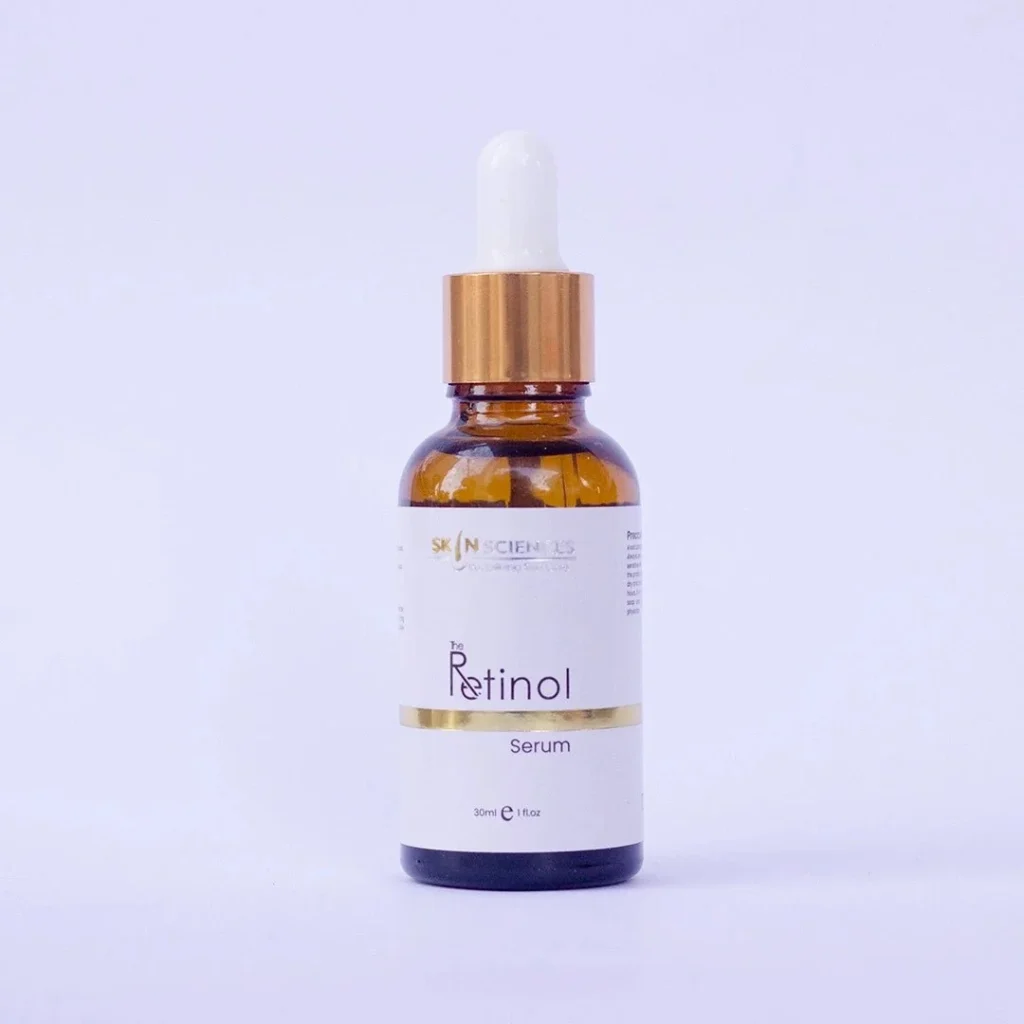
Best Retinol Serum
A Complete Guide for Pakistani Skin
Fine lines around the eyes, acne marks that refuse to fade, enlarged-looking pores, and uneven skin texture are concerns many Pakistani men and women experience after their mid-20s. Sun exposure, previous acne, and inconsistent skincare can all contribute to these changes.
Retinol has become increasingly popular in Pakistan because people are looking for evidence-based ways to improve skin texture and early signs of ageing. But choosing the best retinol serum is not simply about buying the highest percentage or the most expensive product.
The right serum depends on your skin type, tolerance, age-related concerns, and existing skincare routine. In this guide, you will learn how retinol works, which percentage is suitable for beginners, how to use it safely, and what to know about pigmentation, acne marks, and fine lines. We will also discuss retinol prices in Pakistan, common mistakes, and how to protect your serum from the heat.
Why Retinol Serum Is a Game-Changer for Pakistani Skin
Retinol is a derivative of Vitamin A. It belongs to a group of ingredients called retinoids, which are widely used in dermatology for improving skin texture, acne, and signs of photoageing.
When applied to the skin, retinol is converted into active retinoic acid through a series of steps. Retinoic acid influences skin-cell activity and supports processes involved in collagen production and cell turnover.
Retinol serum benefits
A well-formulated retinol serum may help improve:
- Fine lines and wrinkles: Retinol can support collagen production and make skin look smoother over time.
- Acne marks: It may help improve uneven texture and the appearance of some post-acne marks.
- Pigmentation: Retinol can support more even-looking skin tone by encouraging skin-cell turnover.
- Enlarged-looking pores: It may make pores appear less noticeable by improving skin texture and reducing congestion.
- Dullness: Regular use can help skin look smoother and brighter.
Dermatologists often describe retinoids as some of the most useful topical ingredients for acne and photoageing. However, retinol is not the same as prescription tretinoin, which is stronger and should be used under appropriate medical guidance.
For people living in Lahore, Karachi, and other Pakistani cities, daily sun exposure is an important consideration. Retinol does not replace sunscreen, and it should be introduced carefully to avoid irritation that may worsen the appearance of pigmentation.
Many readers from Lahore and Karachi have told us that they notice rougher texture and more visible dark spots after periods of outdoor activity. The practical lesson is simple: a consistent nighttime routine is helpful, but protecting skin during the day is equally important.
Best Retinol Serum What to Look For
Choosing the best retinol serum requires more than checking the percentage printed on the bottle. The form of retinol, packaging, supporting ingredients, and suitability for your skin all matter.
Understand retinol percentages
Retinol products commonly contain concentrations ranging from approximately 0.1% to 1%. These percentages are not directly comparable with prescription retinoids, and a higher percentage does not automatically mean better results.
For beginners, a lower-strength product is generally the better starting point. A concentration around 0.1% to 0.3% may be appropriate for some people, although the right choice depends on the formulation and individual tolerance.
If you have sensitive skin, a lower concentration used twice weekly may be more practical than a stronger product used inconsistently.
Encapsulated retinol vs pure retinol
Encapsulated retinol is surrounded by a delivery system designed to help protect the ingredient and release it gradually. This may improve stability and tolerability, although the results depend on the actual formulation.
Pure retinol is not necessarily inferior. A well-formulated product can work effectively, but packaging and storage are especially important because retinol is sensitive to environmental conditions.
Retinol alternatives
Some people prefer alternatives because they have sensitive skin or do not want to use a retinoid.
- Bakuchiol: A plant-derived ingredient often used in products marketed as retinol alternatives. Early research suggests it may support improvements in skin appearance, but it should not be assumed to have identical effects to retinol.
- Retinyl Palmitate: A retinol ester that is generally considered gentler but requires conversion in the skin before becoming active.
- Peptides: Ingredients that may support the appearance of skin firmness and are often used in anti-ageing routines.
Retinol serum comparison table
| Ingredient | Main benefit | Best suited for |
| Retinol | Supports texture, acne care, and photoageing concerns | People able to tolerate a retinoid |
| Encapsulated retinol | Designed for improved stability or gradual delivery | Beginners and sensitive skin |
| Retinyl Palmitate | Gentler retinoid ester | People seeking a mild option |
| Bakuchiol | Retinol alternative with early supportive research | Some sensitive-skin routines |
| Peptides | Supports the appearance of firmness | Complementary anti-ageing care |
How to choose retinol serum
Look for a product with:
- A clearly stated retinol concentration.
- Suitable packaging that limits exposure to air and light.
- A reputable manufacturer.
- A formula appropriate for your skin type.
- Supporting ingredients such as ceramides, glycerin, or hyaluronic acid.
For a retinol serum for beginners, simplicity is valuable. Avoid starting with a product that combines retinol with several strong exfoliating acids.
Best Retinol Serum for Every Skin Type
The best product for your skin depends on how easily you become irritated and what you want to improve. Someone with oily skin may prefer a lightweight formula, while someone with dry skin may need extra barrier support.
Best Retinol Serum for Beginners
If you have never used retinol before, start with a lower-strength product and a simple routine. You do not need to begin with a high percentage to see whether your skin can tolerate the ingredient.
The best retinol serum for beginners in Pakistan should be easy to use, clearly labelled, and suitable for gradual introduction. Encapsulated retinol may be worth considering if you are concerned about irritation.
Begin with a twice-weekly application and observe how your skin responds before increasing frequency.
Best Retinol Serum for Sensitive Skin
Sensitive skin needs extra care because retinol can cause dryness, redness, peeling, and stinging, especially during the first few weeks.
The best retinol serum for sensitive skin in Pakistan is generally one with a lower concentration, a gentle formulation, and hydrating ingredients. Ceramides and glycerin may help support the skin barrier.
Avoid applying retinol to broken or irritated skin. If you experience persistent burning or significant redness, stop using the product and seek advice from a dermatologist.
Best Retinol Serum for Oily and Acne-Prone Skin
Retinol is commonly used in acne treatment because it can help prevent clogged pores and support skin-cell turnover. However, overusing it can irritate the skin and make acne-related redness more noticeable.
A lightweight retinol serum for oily skin may be easier to use in humid weather. Choose a formula that does not feel excessively greasy and pair it with a suitable moisturizer.
For people looking for the best retinol serum for acne marks in Pakistan, remember that active acne should also be treated. Retinol may help improve some marks and uneven texture, but deep acne scars often require professional treatments.
Best Retinol Serum for Dry and Mature Skin
Dry and mature skin may benefit from retinol alongside ingredients that support hydration and the skin barrier.
Look for formulas containing ceramides, hyaluronic acid, or other moisturizing ingredients. Apply moisturizer after retinol, or use the sandwich method if your skin is easily irritated.
For retinol serum for fine lines and wrinkles, consistency is more important than using the strongest product available. Visible improvements often take several weeks to months.
How to Use Retinol Serum Correctly
Knowing how to use retinol serum is essential because incorrect application can lead to unnecessary irritation.
Cleanse your face
Use a gentle cleanser to remove dirt, sunscreen, and excess oil. Avoid harsh scrubbing.
Dry your skin completely
Wait until your skin is dry before applying retinol. Damp skin may increase penetration and irritation for some people.
Apply a small amount
Use the amount recommended on the product label. A thin layer is usually enough for the face.
Avoid the eyelids, corners of the nose, lips, and other sensitive areas.
Use the sandwich method if needed
Apply a thin layer of moisturizer before retinol, followed by another layer afterward. This method can help reduce irritation for sensitive skin.
Start twice weekly
Use retinol two nights per week at first. If your skin remains comfortable, gradually increase frequency.
Avoid combining several strong actives
Do not start retinol on the same night as strong exfoliating acids or other irritating treatments. Keep your routine simple while your skin adjusts.
Apply sunscreen the next morning
Retinol makes skin more vulnerable to irritation from sun exposure. Always apply SPF 50+ the next morning and reapply as needed.
Which retinol percentage is best for beginners?
A lower concentration, such as 0.1% to 0.3%, is often a sensible starting point. The best percentage depends on your skin type, the formulation, and whether you have previously used retinoids.
Always patch test a new product before applying it widely. Consult your doctor before using retinol if pregnant or breastfeeding.
Retinol Purging vs Breakout What’s the Difference?
Retinol purging is a temporary increase in small breakouts that may occur as skin-cell turnover changes. It is more likely in areas where you normally experience acne.
Purging may last around 2–6 weeks, although the duration varies. It should gradually improve rather than become increasingly painful or widespread.
Retinol purging vs breakout difference
Possible purging:
- Appears in usual acne-prone areas.
- Consists of small pimples or clogged pores.
- Begins after introducing retinol.
- Gradually improves with continued, tolerable use.
Possible irritation or breakout:
- Appears in new areas.
- Includes significant redness, burning, or itching.
- Causes widespread dryness or painful inflammation.
- Continues to worsen.
If you develop persistent irritation, stop retinol and focus on gentle cleansing, moisturizer, and sunscreen. The question “Why is my retinol serum causing purging?” is common, but not every breakout after retinol is purging.
Can You Mix Retinol Serum with Other Products?
Retinol can be combined with some skincare ingredients, but beginners should avoid making their routine too complicated.
Retinol + Vitamin C
Can I use retinol serum with vitamin C? Yes, but using them at different times is often easier on the skin.
Try vitamin C in the morning and retinol at night. This allows you to use both ingredients while reducing the chance of irritation from applying several active products together.
Retinol + Hyaluronic Acid
Can I use retinol serum with hyaluronic acid? Yes. Hyaluronic acid is a hydrating ingredient that can help reduce dryness and support a comfortable skincare routine.
Apply hyaluronic acid according to the product instructions, followed by moisturizer. If your skin is sensitive, use a gentle formula and avoid unnecessary active ingredients.
Retinol + Niacinamide
Can I use retinol serum with niacinamide? Yes. Niacinamide is often used to support the skin barrier and may help reduce the appearance of redness and uneven tone.
Using niacinamide before retinol may be suitable for some people, but it is not necessary to combine them immediately. Introduce each ingredient gradually.
Ingredients to use carefully with retinol
Strong AHA/BHA exfoliants and benzoyl peroxide may increase irritation when combined with retinol. Some acne treatments can be used alongside retinoids, but the best approach depends on your skin and the specific formulation.
If you are using prescription tretinoin or another acne medication, ask your dermatologist before adding additional active products.
How to Store Retinol Serum in Pakistan’s Heat
Retinol is sensitive to light, air, and heat. Poor storage can affect product stability and may reduce the expected benefits.
How to store retinol serum in Pakistan’s heat
- Keep the bottle in a cool, dry cupboard.
- Avoid direct sunlight and hot windowsills.
- Close the cap tightly after use.
- Choose packaging that protects the product from light.
- Do not leave the serum in a hot car.
- Follow the manufacturer’s storage instructions.
Refrigeration is not automatically required. If the manufacturer recommends it, follow those instructions. Otherwise, a consistently cool cupboard is often sufficient.
Retinol Serum for Summer vs Winter in Pakistan
Summer skincare
Hot and humid weather may make heavy skincare products uncomfortable. If you have oily skin, a lightweight retinol serum for oily skin in summer may be easier to use.
You may also need to reduce frequency if sweating, sun exposure, or irritation increases. Sunscreen is especially important during summer.
Winter skincare
Dry winter weather can make retinol irritation more noticeable. Use a richer moisturizer if needed and avoid applying retinol to skin that is peeling or damaged.
There is no need to increase retinol frequency simply because the weather is cooler. Your skin’s tolerance should guide your routine.
Common Myths vs Facts About Retinol Serum
Myth 1: Retinol thins the skin
Fact: Retinol does not simply thin the skin. It can support collagen production and improve the appearance of skin texture over time. However, irritation and peeling can temporarily make skin feel thinner or more sensitive.
Myth 2: Retinol is only for older people
Fact: Retinol is used by people with acne, pigmentation, and early signs of ageing. The right age to start depends on your concerns and skin tolerance.
Myth 3: More retinol always means better results
Fact: Higher percentages may increase irritation without providing better results for everyone. Start low and increase gradually if your skin tolerates it.
Myth 4: You can use retinol during the day
Fact: Retinol is generally used at night because it can be sensitive to light and may increase irritation from sun exposure. Always use sunscreen the next morning.
Myth 5: Retinol guarantees permanent acne or wrinkle removal
Fact: Retinol may improve the appearance of acne and fine lines, but it does not guarantee permanent results. Consistent use and professional advice may be needed.
Myth 6: Retinol is unsafe for all sensitive skin
Fact: Some people with sensitive skin can tolerate low-strength retinol with careful introduction. Others may need an alternative or professional guidance. Is retinol safe for sensitive skin? The answer depends on the individual’s condition and tolerance.
A Natural Product Option:
There are many retinol serums available in Pakistan, and each product has different ingredients, concentrations, and packaging.
Skin sciences is one option to consider if you are looking for a beginner-friendly retinol serum with local availability. When comparing it with other products, check the retinol percentage, supporting ingredients, packaging, and instructions for use.
A reasonable retinol serum price in Pakistan depends on the formula, brand, concentration, and product size. An affordable retinol serum can be a practical choice if it offers suitable ingredients and clear usage instructions.
You can explore the product here: [best retinol serum](AAPKA URL).
Results may vary from person to person.
FAQs:
Which retinol serum is best in Pakistan?
The best retinol serum in Pakistan depends on your skin type, experience, and skincare concerns. Beginners may prefer a lower-strength or encapsulated formula, while experienced users may tolerate stronger products. Look for clear ingredient information, suitable packaging, and a reputable manufacturer. A dermatologist can help you choose if you have sensitive skin or persistent acne.
What percentage of retinol should a beginner use?
A beginner may consider starting with 0.1% to 0.3% retinol, depending on the formulation and skin tolerance. Apply it twice weekly at first and increase gradually if your skin remains comfortable. Higher concentrations are not automatically better. Patch test before use, and avoid applying retinol to irritated or damaged skin.
Can I use retinol serum every day?
Some people can eventually use retinol every day, but daily application is not necessary for everyone. Start twice weekly and increase gradually as tolerated. If you develop peeling, burning, or persistent redness, reduce frequency or stop. Always use moisturizer and SPF 50+ the next morning.
Does retinol serum really work?
Yes, retinol has strong dermatological evidence for improving the appearance of fine lines, uneven texture, and some acne-related concerns. However, results vary with concentration, formulation, and consistency. Visible improvements often take 8–12 weeks or longer. Retinol is not a guaranteed treatment for every type of pigmentation or acne scar.
What should you not mix with retinol?
Avoid combining retinol with several strong exfoliating acids or irritating acne treatments when starting. AHA, BHA, and benzoyl peroxide may increase dryness or irritation in some routines. Vitamin C can be used at a different time of day. If you use prescription retinoids, ask your dermatologist before adding other active ingredients.
Why is my retinol serum causing purging?
Retinol may cause temporary purging in some acne-prone people, particularly in areas where breakouts usually occur. However, burning, widespread redness, or painful new acne may indicate irritation rather than purging. Reduce frequency or stop if symptoms worsen. A dermatologist can help distinguish purging from an actual breakout.
Can I use retinol serum with niacinamide?
Yes. Retinol and niacinamide can generally be used together. Niacinamide may support the skin barrier and help make a retinol routine more comfortable for some people. Start with a simple routine, introduce products gradually, and avoid adding several strong actives at once.
Is retinol safe for sensitive skin?
Retinol can be suitable for some sensitive skin, but it may cause irritation. Start with a low concentration, use it infrequently, and consider the sandwich method with moisturizer. If your skin is already inflamed, peeling, or affected by a skin condition, consult a dermatologist before starting.
Final Verdicts:
The best retinol serum is one that suits your skin type, experience, and skincare goals. Whether you want to improve fine lines, acne marks, uneven texture, or dullness, a carefully chosen retinol product may help over time.
For Pakistani skin, start slowly and give your skin time to adjust. Use moisturizer, apply SPF 50+ every morning, and protect your serum from excessive heat.
Avoid chasing high percentages or quick results. A simple routine that you can follow consistently is often more useful than an aggressive one that causes irritation.
If you are unsure which product to choose, a dermatologist can help you select an appropriate formula and treatment plan.